Berlin Science Week 2026 | BIH Programmangebote

Vom 1. bis 10. November verwandelt die Berlin Science Week die Stadt in ein pulsierendes Fest der wissenschaftlichen Ideen und Debatten. Entdecken Sie über 200 Veranstaltungen in der Stadt und online, die Wissenschaft, Kunst und Kultur verbinden - mit dabei das BIH. Besuchen Sie uns im Haus der Kulturen der Welt (HKW), beteiligen Sie sich am Diversithon, treffen Sie uns im MDC-BIMSB oder bei einem unserer anderen Partner Events. Wir freuen uns auf Sie!
BIH Angebote
3. Nov, 16:30 | Designe ein Tool für digitale anonyme Psychotherapie!

© Fraunhofer AISEC Hast du dich schonmal über eine schlecht designte Nutzendenoberfläche geärgert? Willst du wissen, wie man es besser macht? Finde es bei uns heraus!
Tauche ein in die Welt des Human-Centered Designs, und werde gleichzeitig Teil aktueller Forschung! In diesem interaktiven Design-Workshop erhältst du einen spielerischen Einblick in Methoden und Denkweisen, mit denen heute digitale Produkte entwickelt werden. Um mitzumachen brauchst du keine Vorerfahrung. Im Fokus stehen anonyme, digitale Therapie-Angebote: Du arbeitest an Lösungen, während du echte Herausforderungen meisterst.
Im Workshop bildest du mit anderen Teilnehmenden ein Team und trittst im Wettbewerb gegen andere Gruppen an. Runde für Runde präsentiert ein fiktiver Auftraggeber neue Anforderungen und überraschende Wendungen. Eure Aufgabe: Schnell reagieren, Ideen entwickeln, weiterdenken und eure Lösung überzeugend „pitchen“.
Ob mit Vorkenntnissen oder ganz neu im Human-Centered Design: Wenn du Lust hast, spielerisch Neues zu lernen und Forschung aktiv mitzugestalten, bist du hier genau richtig. Solltest du volljährig sein und wir haben dein Interesse geweckt, melde dich gerne bis zum 02.11.2026 unter dem Link zu unserem kostenlosen Workshop an! Am 05.11.2026 bieten wir den Workshop auch auf Englisch an: Design a tool for anonymous digital psychotherapy!
Diese Veranstaltung ist Teil des vom BMFTR geförderten Forschungsprojekts VERANDA. Gemeinsam mit unseren Projektpartnern (Berlin Institute of Health, Institut für Sexualwissenschaft und Sexualmedizin der Charité, Technische Universität Berlin und Deutsches Forschungszentrum für Künstliche Intelligenz) untersuchen wir das Potenzial anonymer digitaler Therapie für Menschen, die aufgrund von Stigmatisierung Schwierigkeiten beim Zugang zu Psychotherapie haben. Es wurde ein Konzept für ein Tool entwickelt, das anonyme Psychotherapie ermöglichen soll. Es wurden verschiedene Studien durchgeführt, darunter auch mehrere, die sich auf die Nutzenden-Erfahrung mit dem Tool konzentrieren.
Organisiert vom Fraunhofer-Institut für Angewandte und Integrierte Sicherheit AISEC
Datum: 3. November 2026
Uhrzeit: 16:30 - 19:30 Uhr
Ort: Fraunhofer-Forum Berlin (EG), Anna-Louisa-Karsch-Str. 2, 10178 Berlin4. Nov, 15:00 | BIH Diversithon - Lasst uns Wikipedia-Biografien diversifizieren
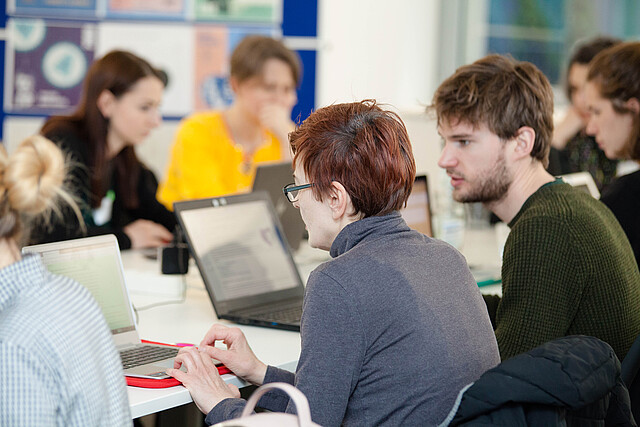
Wie viele Wissenschaftlerinnen kennst du? Und wie viele von ihnen haben einen Wikipedia-Artikel? Mach mit bei unserem Diversithon und lass uns Wikipedia gemeinsam vielfältiger machen.
Wie viele Wissenschaftlerinnen kennst du? Und wie viele von ihnen haben einen Wikipedia-Artikel? Mach mit bei unserem Diversithon und lass uns gemeinsam die Wikipedia vielfältiger gestalten. Wir alle nutzen Wikipedia als Quelle, um Informationen zu finden und mehr über bestimmte Personen zu erfahren. Aber wusstest du, dass weniger als 19 % aller deutschen Wikipediaartikel von Frauen handeln und die Zahl bei Wissenschaftlerinnen sogar noch geringer ist?
Mit dem BIH Diversithon wollen wir das ändern und zu einer vielfältigeren Wikipedia beitragen. Nimm an unserem Edit-a-thon teil und lerne, wie du Wikipedia-Artikel über Wissenschaftlerinnen, Wissenschaftler*innen of Color und andere marginalisierte Gruppen, die in Wikipedia unterrepräsentiert sind, bearbeiten und neu erstellen kannst.
Alle sind herzlich eingeladen, mitzumachen – du brauchst keinerlei Vorkenntnisse im Bearbeiten oder Verfassen von Wikipedia-Artikeln. Alles, was du brauchst, ist etwas Zeit und ein Notebook.
Erfahrene Mitglieder der Gruppe „WomenEdit“ aus Berlin geben eine Einführung und unterstützen euch dabei, erste Schritte zu unternehmen oder euch intensiver mit der Bearbeitung von Wikipedia-Einträgen zu beschäftigen.Die Begrüßung findet auf Englisch statt, die Einführung und die Unterstützung bei der Bearbeitung werden jedoch sowohl auf Englisch als auch auf Deutsch angeboten.
Datum: 4. November 2026
Uhrzeit: 15:00 - 19:00 Uhr
Ort: Berlin Institute of Health at Charité (BIH), Rahel Hirsch Center for Translational Medicine, Luisenstr. 65, 10115 Berlin4. Nov, 19:00 | Einstein in the Dome: Forschen ohne Tierversuche? Neue Methoden in der Biomedizin
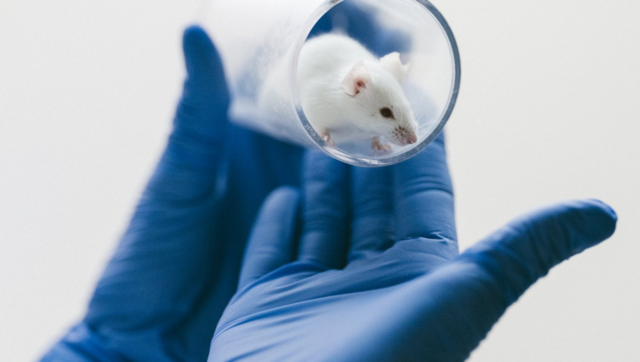
© Charité 3R / Mark von Wardenburg Milad Rezvani, Annette Künkele und Michael Gotthardt geben faszinierende Einblicke in die Medizin der Zukunft – eindrucksvoll visualisiert unter der Kuppel des Planetariums.
Tierversuche bleiben in der biomedizinischen Forschung oft unverzichtbar - zugleich eröffnen Methoden mit menschlichem Gewebe neue Perspektiven. Wie entstehen neue Therapien gegen Krebs, Herzschwäche oder Organversagen? Und wie gelingt es Forschenden heute, Zellen gezielt umzuprogrammieren, Gewebe zu regenerieren oder das Immunsystem gegen Tumore zu aktivieren? Tierversuche sind in vielen Bereichen der biomedizinischen Forschung nach wie vor unverzichtbar – zugleich entstehen zunehmend innovative, auf menschlichem Gewebe basierende Methoden, die neue Perspektiven für die Medizin eröffnen.
Drei führende Wissenschaftlerinnen und Wissenschaftler geben faszinierende Einblicke in die Medizin der Zukunft – eindrucksvoll visualisiert unter der Kuppel des Planetariums.
Milad Rezvani (Charité Klinik für Pädiatrie)zeigt, wie aus Stammzellen neues Lebergewebe entsteht und welche Rolle regenerative Medizin künftig bei der Heilung schwerer Erkrankungen spielen könnte. Michael Gotthardt (Max Delbrück Center, AG Translationale Kardiologie) nimmt das Publikum mit ins schlagende Herz und erklärt, wie molekulare Prozesse unsere Herzfunktion steuern und warum ihr Zusammenspiel über Gesundheit und Krankheit entscheidet. Annette Künkele (Charité Klinik für Pädiatrie, BeCAT) macht sichtbar, wie gentechnisch veränderte Immunzellen Tumore erkennen und bekämpfen – und welche Hoffnungen moderne Immuntherapien für die Krebsmedizin eröffnen. Die Veranstaltung wurde in Zusammenarbeit mit dem Einstein Center 3R und Charité 3R konzipiert.
Mit eindrucksvollen Projektionen, wissenschaftlicher Präzision und verständlichen Erklärungen verbindet „Einstein in the Dome“ spannende Forschungsfragen mit einem immersiven Erlebnis für alle, die wissen möchten, wie die Medizin von morgen entsteht.
Eintritt frei – Anmeldung erforderlich.
Organisiert von Einstein Foundation Berlin, Stiftung Planetarium Berlin
Datum: 4. November 2026
Uhrzeit: 19:00 - 20:30 Uhr
Ort: Zeiss-Großplanetarium, Prenzlauer Allee 80, 10405 Berlin4. & 5. Nov, 18:00 | One Cell at a Time: Understanding the Building Blocks of our Bodies
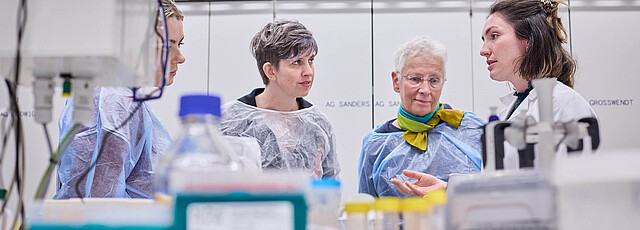
© Marc Beckmann/Berlin Science Week Get in touch with the smallest unit of life. Discover how single-cell research is reshaping what we know about health, disease, and ourselves.
Did you ever wonder how our body develops from a single cell? Or how our cells can turn into cancer cells? Our event takes you inside the fascinating world of single-cell research, where scientists study life one cell at a time to uncover how our bodies form, stay healthy, and sometimes fall ill. It is a field built on curiosity: spending years in uncertainty to ask what a cell is, what it remembers, and what it might become.
We begin with an introduction to single cell technologies. Researchers will share insights into how organs and tissues form, how our blood and immune systems develop, how mutations can trigger disease, and how we can make our immune system fight cancer. Along the way, you will see how machine learning and data science help us make sense of millions of measurements.
After the talk, small guided lab tours offer an up-close look at how these discoveries are made. You will be able to try simple experiments yourself - pipetting, visualizing cells, and even counting them. You can also follow live demonstrations of advanced laboratory equipment and explore real-world sequencing data to see how we turn raw measurements into meaningful discoveries.
Throughout the event, our researchers will be available to answer all your questions - about the science, the work, and what it is like to spend a career in pursuit of something that might never give a final answer. Together, we invite you to get in touch with the smallest unit of life - where understanding single cells opens new possibilities for predicting, preventing, and treating disease.
Speakers
- Viktoria Flore, Berlin Institute of Health at Charité (BIH) & Max Delbrück Center Berlin
- Marc Appis, Berlin Institute of Health at Charité (BIH)& Max Delbrück Center Berlin
- Philipp Stachel-Braum, MDC/Charité/BIH
- Shriya Lele, Berlin Institute of Health at Charité (BIH)& Max Delbrück Center Berlin
- Soniya Shende, Berlin Institute of Health at Charité (BIH)& Max Delbrück Center Berlin
- Benedict Monteiro, Max Delbrück Center Berlin
- Henrike Schwarzenbacher, Berlin Institute of Health at Charité (BIH)& Max Delbrück Center Berlin
Organisiert von der Single Cell Focus Area, Berlin Institute of Health at Charité (BIH) and Max Delbrück Center, Berlin
Datum: 4. & 5. November 2026
Uhrzeit: 18:00 - 19:30 Uhr
Ort: Max Delbrück Center - Berlin Institute for Medical Systems Biology, Hannoversche Str. 28, 10115 Berlin5. Nov, 17:00 | How Could New Therapies Change Your Future?

© gorodenkoff / iStock A medical breakthrough only matters if it reaches the people who need it. Discover what it takes to make that happen.
A child born with a rare genetic disease. A cancer patient running out of treatment options. For some people, the next generation of therapiescould offer possibilities that did not exist just a few years ago. In this event, researchers, clinicians, innovators and entrepreneurs will explore the potential of Advanced Therapy Medicinal Products (ATMPs), which use living cells and genes to open up new possibilities for patients and create new options where conventional treatments have reached their limits. From scientific discoveries to regulation, manufacturing and patient access, they will share the opportunities and challenges involved in bringing advanced therapies into healthcare.
The conversation goes beyond science alone. It touches on how societies support innovation, how healthcare systems adapt to new technologies, and how emerging treatments can be made accessible to the people who need them. Understanding these dynamics offers a unique perspective on how the future of medicine is shaped.
Speakers
- Katharina Günter, Green Elephant Biotech GmbH
- Annette Künkele-Langer, Charité
- Alexander Stumpf, SPARK-BIH
Organized by: EURICE - European Research and Project Office GmbH
Datum: 5. November 2026
Uhrzeit: 17:00 - 19:00 Uhr
Ort: Eurice - European Research and Project Office GmbH, Alt-Reinickendorf 25, 13407 Berlin6. Nov, 15:00 | Privacy in Digital Medicine and Research: Try out a text and speech anonymizer!

© www.pexels.com/license/ Have you ever been worried about sharing medical information? Discover how hard or surprisingly easy it is to identify someone by the way they speak.
Have you ever been concerned about sharing personal identifying information?
We invite you to try out our speech and text anonymization tool, and share your thoughts about the topic - What data is acceptable for sharing? From who, to whom? For what purpose?Conversations between people can contain vast amounts of useful information for medical research. Whether a recorded interview between researcher and research participant, or between doctor and patient, these conversations can reveal a great deal of valuable insights to improve research and healthcare. But conversations are complex - How can we anonymize such conversations, at scale, in an ethical manner?
In this interactive workshop, you will get to test our transcription tool and discover just how difficult, or surprisingly easy, it can be to recognize someone from the way they speak, even after their data has been removed. Through this challenge, you will explore questions around privacy, identity, and digital technology in an engaging way.This event is part of the VERANDA research project (funded by the BMFTR), which explores the potential of anonymous digital therapy for individuals who face barriers to accessing psychotherapy due to stigmatization. Over the past 2.5 years, we have investigated the specific needs and requirements of people who experience high levels of stigma. Anonymization of live therapy conversations may help reduce these barriers.
Datum: 6. November 2026
Uhrzeit: 15:00 - 17:00 Uhr
Ort: Berlin Institute of Health at Charité (BIH), Rahel Hirsch Center for Translational Medicine, Luisenstr. 65, 10115 Berlin
Raum: Esther Lederberg (02 328) >> Treffpunkt im Foyer6. Nov, 16:00 | Speaker's Corner: Stammzellen – Hoffnungsträger der Medizin von morgen?
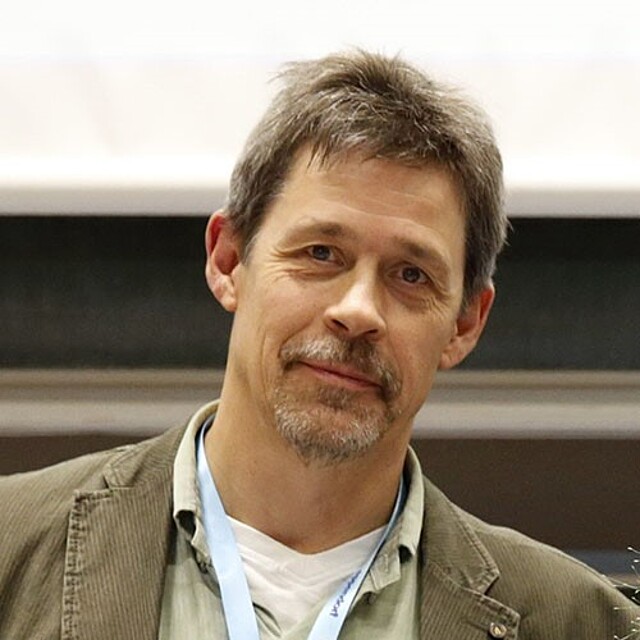
Stammzellen erneuern unseren Körper ein Leben lang. Entdecken Sie, wie Stammzellforschung neue Perspektiven für die Medizin der Zukunft eröffnet.
Treffen Sie den Wissenschaftler Daniel Besser vom Berlin Institute of Health und dem German Stem Cell Network in der Speaker’s Corner und erfahren Sie, wie Stammzellforschung dazu beiträgt, Erkenntnisse aus der Forschung in neue Ansätze für die Gesundheit zu übersetzen.
Haare wachsen ein Leben lang, Wunden heilen und unsere Blutzellen werden kontinuierlich erneuert – all das ermöglichen Stammzellen, eine besondere Zellart unseres Körpers. Sie können sich über lange Zeit selbst erneuern und zu unterschiedlichen spezialisierten Zelltypen entwickeln. Gerät dieses fein abgestimmte System aus dem Gleichgewicht, können Krankheiten entstehen.
Die Stammzellforschung hilft uns, grundlegende Prozesse unseres Körpers besser zu verstehen – von der Entwicklung und Regeneration bis hin zur Entstehung von Krankheiten. Gleichzeitig eröffnet sie neue Perspektiven für Diagnostik, Therapie und die Medizin der Zukunft.
Speaker: Dr. Daniel Besser, Berlin Institute of Health at Charité & German Stemcell NetworkDatum: 6. November 2026
Uhrzeit: 16:00 - 16:30 Uhr
Ort: Haus der Kulturen der Welt (HKW), Angie Stardust Foyer | John-Foster-Dulles Allee 10, 10557 Berlin6. Nov, 16:30 | Can Science Remain Open in an Authoritarian World

© Masaaki Komori / Unsplash Open science fuelled the discoveries shaping our world. But can it survive authoritarianism, geopolitics & proprietary AI? Join the dialogue.
For over a decade, open science has been a promise that sharing research, methods, data, and teamwork across borders solves humanity's greatest challenges. But today, in times of growing nationalism, security concerns and authoritarianism, we stand at a crossroads. And the stakes have never been higher – not just for science, but for society itself.
What's at Stake for Society?
Open science is not merely an academic ideal – it is the infrastructure of collective problem-solving and the engine of scientific progress itself. Virtually every breakthrough today builds on openly shared findings, methods, and data, thus the free flow of knowledge across borders and institutions. Transparency and reproducibility, upheld through open access to methods and data, are the foundation of scientific integrity and public trust. If we retreat from openness, we risk a return to opaque, unverifiable research.
Multiple Pressures to close
Yet the pressures to close are mounting from multiple directions. Geopolitical tensions fracture international partnerships. Governments invoke research security and technological sovereignty, restricting knowledge flows in the name of dual-use concerns. The most powerful AI systems reshaping science today were built on openly shared research – yet they are closed and proprietary, and are now being used to flood the research ecosystem with content of questionable quality.
How Do We Preserve Openness in a Closing World?
Yet is the choice really between fully open and fully closed? Or can we design frameworks that balance transparency with legitimate security concerns, ensure AI systems trained on open data contribute back, and protect international collaboration while addressing dual-use risks? Join us for a critical dialogue together with experts on international cooperation and Open Science and contribute your insights and experiences.
Speakers
- Kamran Naim, Open Science at the European Organization for Nuclear Research (CERN)
- Andrea Fleschenberg dos Ramos Pinéu, Institute for Asian and African Studies at Humboldt-Universität zu Berlin
- Sakine Weikert, Center for International Academic Cooperation (KIWi) at the German Academic Exchange Service (DAAD)
Organisiert von Einstein Foundation Award for Promoting Quality in Research, Center for Open and Responsible Research (CORe), Berlin Center for Global Engagement (BCGE), Berlin University Alliance, Robert K. Merton Center for Science Studies, Humboldt-Universität zu Berlin
Datum: 6. November 2026
Uhrzeit: 16:30 - 18:00 Uhr
Ort: Haus der Kulturen der Welt (HKW), Angie Stardust Foyer, John-Foster-Dulles-Allee 10, 10557 Berlin8. Nov, 12:00 | Inspiration Stage: Inside Disease
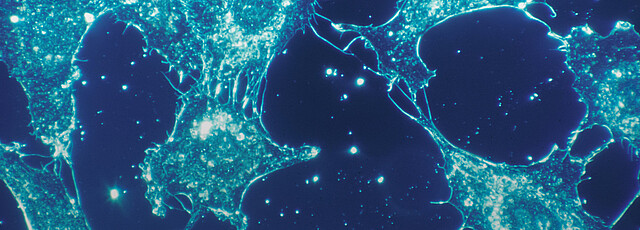
© National Cancer Institute When things go wrong inside the body.
Our bodies are constantly working to protect, repair, and regulate themselves. But during disease this delicate balance can be disrupted in unexpected ways. Disease may arrive from outside, like a bacterial invader. Or it can emerge from within, when our own cells change behaviour and start to cause us harm.
New science looks at disease holistically, tracking how disease affects the body as a whole. From rogue cells and drug-resistant bacteria to inflammation and systemic disease, these talks explore how illness takes hold, and what we can learn by looking beyond individual cells and organs to the body as a whole.
Can your cells change identity and should they?
12:00 - 12:15 | Elisa Moutin, Berlin Institute of Health
Have you ever had to become someone else to fit in? It turns out, the cells making up your organs do all the time! This talk will explore the reasons for such transformations and health consequences.
Chronic inflammatory diseases such as chronic liver disease, inflammatory bowel disease or chronic obstructive pulmonary disease are responsible for up to 25% of all recorded cancers cases. When an organ is chronically inflamed, cells making up the affected organ are able to switch identity and become a different cell type. This allows the cells to survive the inflamed environment and regenerate the damaged organ. In this talk, I will first explain what are the processes that allow this switch of identity, before presenting new data suggesting that cell identity switching could be at the origin of all types of liver cancer.
Pump it out: How do bacteria outsmart our antibiotics?
12:15 - 12:30 | Julien Thebing, Federal Institute for Materials Research and Testing at Bundesanstalt für Materialforschung und Prüfung (BAM)
Antibiotics transformed medicine, making once-fatal infections treatable. But bacteria never stop evolving. Discover how they outsmart antibiotics, one of medicine's greatest ongoing challenges.
Right now, millions of bacteria are growing, dividing, and evolving in your surroundings, on your skin and even inside your body. In fact, the human body contains roughly as many bacterial cells as human cells. As bacteria multiply, random changes occur in their DNA, and some of these mutations make them resistant to antibiotics. One particularly fascinating strategy is their ability to produce tiny molecular pumps that actively remove antibiotics from within bacterial cells before they can do any harm. These pumps are at the centre of my own research. I study how bacteria evolve to become better at pumping out antibiotics and how this can lead to the spread of antimicrobial resistance. The discovery of antibiotics truly transformed medicine making countless surgeries possible and once-fatal infections treatable. While bacteria are constantly evolving at a dramatic pace, developing new antibiotics is slow, expensive and increasingly difficult. Can research keep up in this evolutionary arms race? This talk is for anyone who wants to understand how their next antibiotic treatment will work or why it could be ineffective.
Seeing systemic disease in 3D
12:30 - 12:45 | Doris Kaltenecker, Institute for Diabetes and Cancer, Helmholtz Munich
What if we could make an entire organism transparent and watch disease unfold across the whole body?
Diseases such as obesity affect the entire body, yet we often study them by examining tiny pieces of tissue under a microscope. While this approach has led to countless discoveries, it can also make us miss the bigger picture: how organs communicate and how changes in one part of the body influence many others. What if we could step back and observe the body as a whole? Recent advances in tissue clearing, 3D imaging and artificial intelligence are making this possible. In mouse models, scientists can render organs, and even entire organisms, transparent and create detailed three-dimensional maps of biological structures. AI then helps analyze these enormous datasets and identify patterns that would otherwise remain hidden. In this talk, I will take the audience inside these remarkable images and show how they are changing the way we investigate health and disease. Rather than viewing organs in isolation, we can begin to understand the body as an interconnected system and uncover relationships that remain invisible when we examine only one small piece at a time.
How does food set inflammation in motion?
12:45 - 13:00 | Sreepradha Eswaran, Uniklinik RWTH Aachen University
Your immune system responds not only to infections, but also to what you eat. Discover how diets high in processed sugars, fat, and cholesterol can keep inflammatory signals switched on.
Every meal becomes part of an ongoing conversation within the body. Immune cells detect signals, move between tissues, and help determine whether inflammation protects, supports repair, or contributes to disease. In this talk, I draw on eight years of research to explain how diets high in fructose, fat, and cholesterol can disturb this balance. My work examines how the intestinal immune system may act as a gateway through which dietary signals contribute to persistent inflammation and conditions such as steatotic and alcohol-associated liver disease. Using examples from preclinical models and patient-derived samples, I will explain how dietary components can set off a cascade of inflammatory signals and how molecular signals guide immune cells through the body. The talk is intended for anyone interested in what happens after food leaves the plate and how everyday dietary patterns may influence long-term health.
Meet the Scientists-session
13:00 - 13:20
Stay around for an informal networking session: ask your own questions, start a conversation, and connect directly with the speakers.
Datum: 8. November 2026
Uhrzeit: 12:00 - 13:30 Uhr
Ort: Haus der Kulturen der Welt (HKW), Angie Stardust Foyer | John-Foster-Dulles-Allee 10, 10557 Berlin8. Nov, 16:00 | Inspiration Stage: Reprogramming & Repair
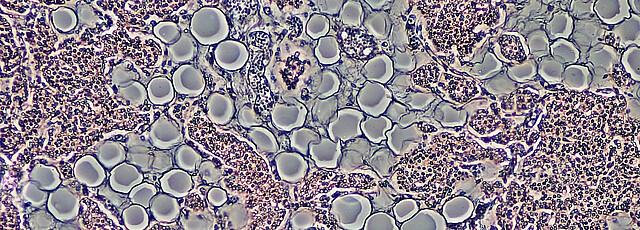
© Fayette Reynolds The body as a system for repair and a source of data for understanding it.
Our bodies have a natural ability to heal themselves. A fracture rebuilds itself, guided by immune cells changing identity. A liver worn down by years of damage uses its ‘cellular memory’ to regenerate. Today scientists are going further, reprogramming patients’ own immune cells to fight cancer in their bodies. At the same time, researchers can track and measure the body more closely than ever, giving them a deeper understanding of health and disease.
Spanning immunotherapy, bone healing, liver regeneration, and health data privacy, these talks explore what our cells can teach us about self-healing, and as we share more of ourselves through data, where the line between insight and privacy should sit.
Your own cells, reprogrammed to fight cancer
16:00 - 16:15 | Schayan Yousefian, Berlin Institute of Health at Charité (BIH)
What if your own immune cells could be reprogrammed to recognize and attack cancer? This talk explores how cell and immunotherapies are transforming the treatment of cancer.
A diagnosis of leukemia, lymphoma, or myeloma can change a life in an instant. And when a blood cancer returns or stops responding to treatment, the options have traditionally become increasingly limited. Cell and immunotherapies changing that. One of the most striking examples is the possibility of taking a patient’s own immune cells, reprogramming them to recognize their cancer, and returning them to the body to fight it. Alongside other immune-based treatments, these approaches have created new possibilities for people with blood cancers that were once extremely difficult to treat. But this talk is about more than a new technology. What does it actually mean for a patient to receive a treatment made from their own cells? How can these therapies change not only the chances of controlling a disease, but also the experience of living with cancer? And who can currently benefit from them? This talk will explore how cell and immunotherapies have reshaped the treatment of hematological malignancies, the opportunities and challenges they bring, and what this rapidly evolving field could mean for patients and their families in the future.
When bones Break: the hidden power of immune cell identity
16:15 - 16:30 | Ann-Kathrin Meß, Berlin Institute of Health at Charité (BIH)
Whether you're eight or eighty, bone fractures affect us all — and how well we heal also depends on how our immune cells can change their identity through interactions, much like we do.
Believe it or not, our immune system is not just important to fight a cold but plays an essential role in bone fracture healing as well. Many different types of immune cells cooperate in a well-orchestrated process to make bone healing successful. Unfortunately healing doesn’t always go well. One important factor is immune cell identity, which can change and adapt throughout the healing process. But which direction does the cell decide to go? And why? What makes a cell decide what kind of cell she wants to be - a good or a bad one for bone healing?
Public health: Balancing privacy and data sharing
16:30 - 16:45 | Luke Flanagan, Berlin Institute of Health at Charité (BIH)
Who would you share your health data with? The benefits of sharing, and the privacy measures to protect your data.
Healthcare needs your data, now more than ever. From diagnosing current health issues, to identifying potential future challenges and addressing them early – sharing your health data with healthcare professionals is necessary to get the right help. Medical researchers also need your data, to better understand the core causes of health issues and improve treatments. However, medical data is private and sensitive information. How do you and your data stay safe when you share it?
In this short talk, Luke, a PhD Student in the field of Health Data Privacy, will explore the role of privacy in healthcare. We will learn about the relevancy of privacy in healthcare both for the lived experiences of people experiencing stigma, and for the average person, even those who ‘have nothing to hide’.
So, who would you share your health data with?
Cellular memory in the liver
16:45 - 17:00 | Irene Talon, Berlin Institute of Health at Charité (BIH)
Do your cells have memory? In this talk, I will show how adult liver cells respond to chronic damage by using fetal programs, reawakening developmental memory to drive regeneration.
Chronic liver disease affects millions of people worldwide and can be caused by viral infections, alcohol, obesity and metabolic disorders. As damage builds up over many years, the liver passes through different stages of disease and gradually loses its ability to repair itself. In this talk, I will explore how some adult liver cells respond to chronic injury by becoming unexpectedly flexible: they can change their identity to help regenerate tissue, a process known as transdifferentiation. Our work shows that they do this by using programs from fetal development, drawing on a kind of cellular memory stored through epigenetics — the molecular system that controls which genes are switched on or off.
Meet the BIH Scientists
17:00 - 17:20
Stay around for an informal networking session: ask your own questions, start a conversation, and connect directly with the speakers.
Datum: 8. November 2026
Uhrzeit: 16:00 - 17:30 Uhr
Ort: Haus der Kulturen der Welt (HKW), Angie Stardust Foyer | John-Foster-Dulles-Allee 10, 10557 Berlin9. Nov | Teste digitale anonymisierte Psychotherapie!

© Hannes Gieseler Hast du schonmal aus Angst vor Stigma oder Scham gezögert, eine Psychotherapie zu machen? Erfahre, wie anonyme digitale Therapie helfen kann.
Psychotherapie kann sehr hilfreich sein, und doch suchen viele Menschen keine Hilfe auf. Nicht, weil sie keine Hilfe wollen, sondern weil sie Angst haben, verurteilt oder negativ gesehen zu werden, wenn sie über ihre Probleme sprechen. Gerade wenn es um Sexualität geht, fällt es vielen Menschen schwer, diese Themen anzusprechen.
Im Rahmen dieses Events kannst du unser Anonymisierungsprogramm bei einer kurzen simulierten Therapiesitzung ausprobieren, in der wir ein Erstgespräch für eine Sexualtherapie nachstellen. So kannst du die Erfahrung eines anonymisierten Gesprächs mit einem Therapeuten oder einer Therapeutin per Videoanruf testen. Im Erstgespräch werden wir über deine sexuellen Vorlieben und Zufriedenheit sprechen. Dies ist Teil des Standardablaufs, den wir mit vielen Patient*innen in der ersten Sitzung am Institut für Sexualwissenschaft und Sexualmedizin der Charité durchführen. Du musst nichts teilen, was du nicht preisgeben möchtest, und du kannst auch über ein anderes Thema sprechen, falls du dich damit wohler fühlen solltest. Selbstverständlich behandeln wir alles, was du uns sagst, vertraulich und wir speichern keine identifizierende Daten, wie zum Beispiel deinen Namen.
In deinem einstündigen Slot erfährst du neben dem kurzen Erstgespräch mehr über den Hintergrund des Projekts und die Funktionsweise des Programms. Wir werden dich außerdem bitten, uns Feedback zu deinen Erfahrungen mit dem Anonymisierungstool zu geben.
Diese Veranstaltung ist Teil des vom BMFTR geförderten Forschungsprojekts VERANDA. Gemeinsam mit unseren Projektpartnern (Berlin Institute of Health, Fraunhofer AISEC, Technische Universität Berlin und Deutsches Forschungszentrum für Künstliche Intelligenz) untersuchen wir das Potenzial anonymer digitaler Therapie für Menschen, die aufgrund von Stigmatisierung Schwierigkeiten beim Zugang zu Psychotherapie haben. Bei diesem Event können alle Menschen teilnehmen, egal, ob du dich einer Gruppe zugehörig fühlst, die gesellschaftlich stigmatisiert wird, oder nicht.
Wir freuen uns schon sehr auf dein Feedback!
Datum: 9. November 2026
Uhrzeit: 10:00 - 17:00 Uhr
Ort: Berlin Institute of Health at Charité (BIH), Rahel Hirsch Center for Translational Medicine, Luisenstr. 65, 10115 Berlin9. Nov | Measure. Understand. Prevent. Meet Young Croatian Scientists in Biomedicine
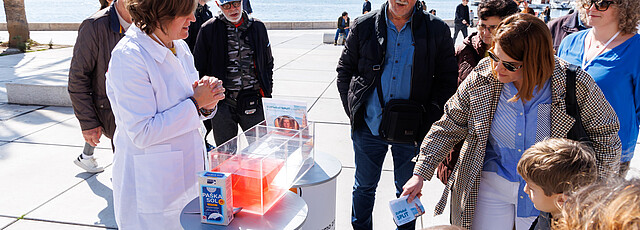
How do we build a world we want to live in? Start with science: three researchers, three questions, and perspectives on health and prevention.
What makes someone dedicate their life to understanding depression, dementia or preventing disease? And what happens when those stories meet?For one evening, Croatian researchers from Berlin and Zagreb come together to share not only their science, but the personal journeys behind it: the questions that stayed with them, the experiences that shaped their research, and why they believe their work matters.
Their stories take us from measuring depression, through the surprising connections between metabolism and dementia, to asking whether osteoarthritis can be prevented after a knee injury. Along the way, the story of Znanost u prolazu shows how one conversation can grow into a community — and how we do not always have to wait for change, but can start building the world we want to live in.
This is science made for citizens: personal, accessible and interactive. Ask questions, share your perspective and join the conversation in Croatian, German and English. No scientific background needed — just curiosity.
And the conversation does not end with the talks: stay for a drink, meet the researchers and continue it together.
Talk 1: Možemo li mjeriti depresiju?
Speaker: Eda Jovičić, univ. mag. ing. el. techn. inf.
Depresija, „bolest 21. stoljeća“, spada u afektivne poremećaje raspoloženja, koje je obilježeno padom životne energije, gubitkom volje i tužnim raspoloženjem. Možemo li mjeriti depresiju, pitanje je na koje pokušavaju odgovoriti istraživači FER-a i Klinike za psihijatriju Vrapče. Korištenjem snimki EEG-a i strojnog učenja istražuju se još uvijek nepoznati mehanizmi nastanka depresije, te se time pokušava ostvariti bolja skrb pacijentima. Krajnji cilj je izgraditi sustav potpore odlučivanju koji bi medicinskoj struci pomogao prilikom postavljanja dijagnoza, određivanja protokola liječenja i drugih zadataka. Istraživanje se provodi u sklopu projekta ALFABEATS, HRZZ istraživačkog projekta o kojem se više može pročitati na sljedećoj poveznici: https://www.zemris.fer.hr/~ajovic/alfabeats/index.html
Talk 2: The Sweet Path of Dementia
Speaker: Kamelija Horvatović, MD, MSc mol. biol.
Diabetes and insulin resistance are increasingly recognized as risk factors for neurodegenerative diseases such as Alzheimer's and Lewy body dementia, though the underlying mechanisms remain unclear. Current research at the Max Delbrück Center in Berlin is investigating this link by modeling how metabolic dysfunction shapes tau-alpha-synuclein co-pathology in lab-grown brain organoids. This lecture will trace a young researcher's journey, from showing that insulin resistance drives cognitive decline, through uncovering the environmental and biological factors that shape it, to building a human brain organoid model to explore these mechanisms further.
Talk 3: Kniearthrose nach Verletzungen vorbeugen – mit digitalem Training
Speaker: Dr. Matej Škrobot
Veränderte Bewegungsmuster nach einer Knieverletzung können wesentlich zur Entstehung einer Kniearthrose beitragen. In dieser EU-geförderten klinischen Studie wird untersucht, ob ein digitales Trainingsprogramm das Risiko für eine Kniearthrose nach einer Verletzung verringern kann. Die Studie wird an der Charité – Universitätsmedizin Berlin durchgeführt und umfasst Berlin Movement Diagnostics, das Julius Wolff Institut und das Centrum für Muskuloskeletale Chirurgie.
Moderator: Dr. Inga Patarčić
Title: Building the world you want to live in: from a glacier in Chamonix to a network of 100+ women scientists
Meaningful change rarely begins with a grand plan, funding, or a formal position—it often starts with a single conversation. In my moderation, I will share how a passion for explaining science to people outside academia led me from Soapbox Science to founding Znanost u prolazu, a science outreach NGO that today connects more than 100 women scientists. Along the way, I learned that we do not have to wait for change to happen around us; we can start creating it ourselves.
Following the talks and discussion, the Croatian Embassy will host a reception (domjenak), giving visitors the opportunity to meet the speakers and continue the conversation informally.
Datum: 9. November 2026
Uhrzeit: 18:00 - 21:00 Uhr
Ort: Embassy of the Republic of Croatia in Berlin, Ahornstr. 4, 10787 Berlin9. & 10. Nov | Multiscale Human Touchpoints - Menschliche Berührungspunkte auf verschiedenen Skalen
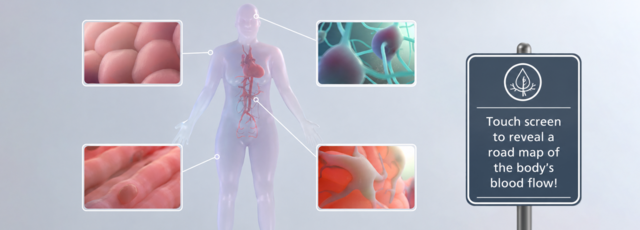
© CNS at Indiana University Begeben Sie sich auf eine faszinierende Reise durch den menschlichen Körper. Entdecken Sie, wie Proteine, Zellen und Organe zusammenwirken und auf verschiedenen Ebenen dafür sorgen, dass Sie gesund bleiben.
Besuchen Sie das Berlin Institute of Health (direkt neben der Charité) und begeben Sie sich auf eine fantastische Reise durch den menschlichen Körper. Großformatige Datenvisualisierungen ermöglichen es Ihnen, den gesunden männlichen und weiblichen Körper auf zehn verschiedenen räumlichen und zeitlichen Ebenen zu erkunden. Zoomen Sie hinein und beobachten Sie das Zusammenspiel von Anatomie, Gewebe, Zellen und Proteinen, das uns am Leben erhält.
Der Human Reference Atlas (HRA) nutzt einen dreidimensionalen, mehrskaligen Referenzrahmen, um Patientendaten visuell darzustellen und zu analysieren. Die Verknüpfung des HRA mit der Human Phenotype Ontology (HPO) ermöglicht es Forschenden, Krankheitsmerkmale präzise zuzuordnen und zu ermitteln, welche Messwerte den Krankheitsverlauf am besten vorhersagen können. Durch die Einbindung fortschrittlicher Entscheidungsunterstützung im Rahmen des Projekts „Decision Theater“ (DT) können Patienten und medizinisches Fachpersonal diese hochwertigen Daten nutzen, um fundiertere Entscheidungen zu treffen.
Basierend auf Lee Hoods P4-Ansatz für Gesundheit und Wohlbefinden (personalisiert, prädiktiv, präventiv und partizipativ) vereint dieses einzigartige Projekt die Expertise, Daten und Visualisierungen dreier Teams: des Human Reference Atlas (unter der Leitung von Börner an der Indiana University), der Human Phenotype Ontology (unter der Leitung von Robinson am Berlin Institute of Health) und des Decision Theater (unter der Leitung von Laublichler an der Arizona State University). Das Vorhaben wird durch die Stiftung Charité gefördert.
Organisiert von Indiana University, Arizona State University, Berlin Institute of Health at Charité (BIH)
Speakers:
- Katy Börner, Indiana University
- Elizabeth G. Record, Indiana University
- Aybuge Altay, Berlin Institute of Health at Charité (BIH)
- Peter Robinson, Berlin Institute of Health at Charité (BIH)
- Manfred Laubichler, Arizona State University
- Jochen Büttner, Max Planck Institute of Geoanthropology in Jena
Datum: 9. & 10 November 2026
Uhrzeit: 10:00 - 17:00 Uhr
Ort: Berlin Institute of Health at Charité (BIH), Rahel Hirsch Center for Translational Medicine, Luisenstr. 65, 10115 Berlin10. Nov, 15:00 | Meet the Finalists Live – Early Career Award 2026
Bright Ideas for Responsible Research
Meet the finalists championing research quality, transparency & reproducibility. Who will take home the €100,000 Einstein Foundation Early Career Award? Up to six early-career researchers, competitively selected by an international jury from a global pool of applicants, will present their proposals for promoting research quality. Following each presentation, both the jury and the audience are invited to pose questions. The jury will then deliberate and select the winner of the €100,000 award.
The €350,000Einstein Award for Promoting Quality in Researchin cooperation with the QUEST Center for Responsible Research at the Berlin Institute of Health at Charité honors researchers, institutions, and early career researchers around the globe whose work helps to fundamentally advance the quality, transparency, and reproducibility of science and research.
The finalists will be selected and announced here a few days prior to the event. The pitch session will be moderated by Ulrich Dirnagl, Secretary of the Einstein Foundation Award and Founding Director of the QUEST Center for Responsible Research at the Berlin Institute of Health.
The Early Career Award is generously funded by the Berlin Institute of Health at Charité (BIH).
Speaker:
- Ulrich Dirnagl, QUEST Center for Responsible Research at the Berlin Institute of Health at Charité (BIH)
Datum: 10. November 2026
Uhrzeit: 15:00 - 16:45 Uhr
Ort: Online via Zoom


