Clinicians and Researchers present Breakthrough Innovations at BIH Digital Health Accelerator Demo Day 2025

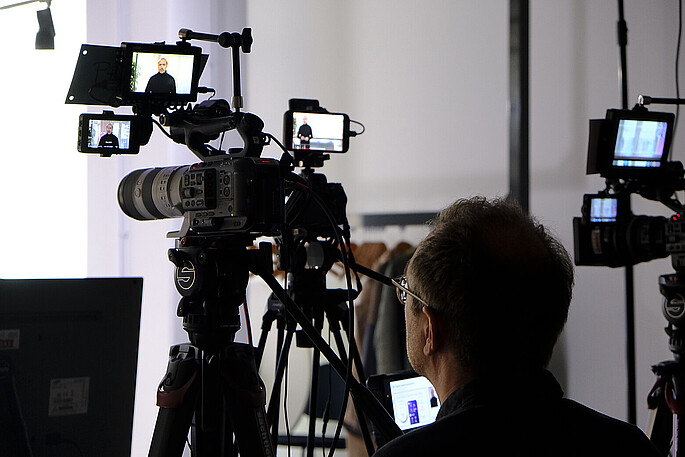
The Berlin Institute of Health at Charité (BIH) successfully concluded its Digital Health Accelerator Demo Day in October 2025. The virtual event brought together clinicians, researchers, investors, and innovators in digital health to present solutions developed by those working closest to patients.
The BIH Digital Health Accelerator program supports clinicians and researchers in transforming insights from daily healthcare into validated digital health products and spin-off companies. The projects supported span a wide range of digital health solutions — from diagnostic support and therapeutic software to patient-centered management tools — powered by artificial intelligence, sensors, and augmented or virtual reality.
Eleven teams presented their innovations at the Demo Day, addressing challenges in surgical precision, diagnostics, maternal care, and chronic disease management. Whether starting from a clinical need or already with an early prototype, each project was guided through the BIH DHA program’s translational approach to better understand its market potential and take concrete steps toward real-world application and commercialization.
The presenting teams were:
- AerobicAI – Wearables as personal performance companions
- AtriAI – Predictive intelligence for interventional cardiology
- BioRhythmix – Optimizing immunotherapy through biological timing
- BoneGuard – Detecting osteoporosis risks during dental checkups
- Malva – Breaking data silos to accelerate scientific discovery
- Midwife Roberta – AI-enabled maternal care
- Movement.MRI – Visualizing knee motion for better surgical planning
- PhenoVox – Translating vocal signatures into respiratory insights
- RevOS – Streamlining jaw reconstruction planning
- SafeBirth – Clinical support for safer deliveries
- vEC – Helping children receive epilepsy treatment faster.
“The presenting teams bring together experienced clinicians and excellent translational researchers who have collectively identified critical gaps in care and inefficiencies in workflows—and instead of waiting for change, they are driving it,” said Professor Christopher Baum, CEO of BIH, who opened the event. “Their work exemplifies the outstanding impact potential of needs-driven innovation.” “From space to the ICU, from teeth to single cells, digital solutions are reshaping medicine in inspiring ways,” added Dr. Doris Meder, Administrative Director of the BIH.
As an event highlight, a keynote address by Stephen Kennedy Smith, Co-founder of Pear Therapeutics and New Frontier Bio, reflected on the balance between bold vision, patient safety, and real-world feasibility in digital health innovation.
From Concept to Clinical Impact
During the first six months of the BIH DHA program, teams validate medical needs, develop prototypes, and gain regulatory and business expertise — culminating in the Demo Day presentations. Selected teams now move into Stage 2, where they work toward regulated, clinically validated products for diagnostics, therapy, digital platforms, or drug discovery. This stage focuses on team growth, entrepreneurial capacity, and readiness for market entry through licensing or spin-off formation.
“The most impactful innovations come from unmet needs that are tangible in everyday clinical practice,” said Tim Huse, Head of the BIH DHA. “Our two-stage program enables clinicians to refine their ideas while continuing their patient care — creating solutions that can meaningfully improve health outcomes.”
Impact and Success Stories
Since its inception, the BIH Digital Health Accelerator has supported dozens of project teams from 27 fields, resulting in 14 spin-offs and counting, multiple solutions in reimbursed standard of care, and collaborations with hospitals and industry partners worldwide.
Success stories highlight the DHA’s impact: Alumni project TimeTeller, spun-off in 2022, has won numerous awards — including “Newcomer of the Year 2024” — and was recently among the top 3 finalists for the 2025 German Founders Award. Aignostics, another DHA spin-off, is now a global leader in AI-driven pathology and precision medicine, employing over 120 people between Berlin and New York.
“The high ratio of successful spin-offs shows that we have ‘cracked the code’ for helping innovation escape the hospital walls,” said David Aagten-Murphy, Senior Project Developer at the BIH DHA. “With around 18 projects currently in development, we can’t wait to see what’s next.”
“As we work with these teams, we are constantly reminded that the most exciting innovations start at the bedside — with patients, in clinics, and with those who understand healthcare challenges firsthand,” added Dorothée Marie-Louise Döpfer, Deputy Head of the BIH DHA.
Looking Ahead
To further strengthen the digital health innovation ecosystem, the BIH DHA collaborates closely with regional research institutions and academic entrepreneurship networks. At the national level, BIH is also exploring ways to scale the DHA model, enabling also other university hospitals to benefit from its proven framework and resources — with the ultimate goal of expanding the scale and impact of needs-driven innovation and medical translation in healthcare.
Learn more at dha.bihealth.org.
Gallery
© DHA 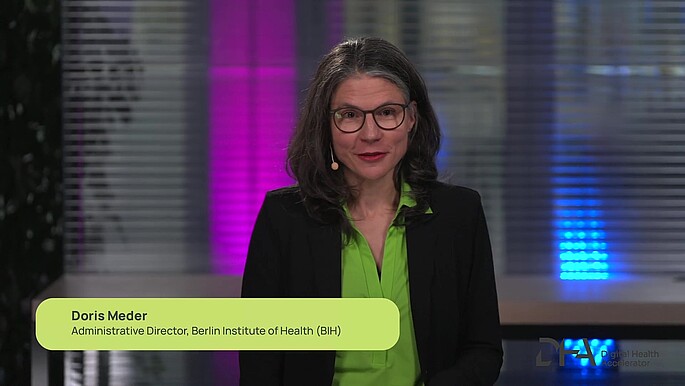
© DHA 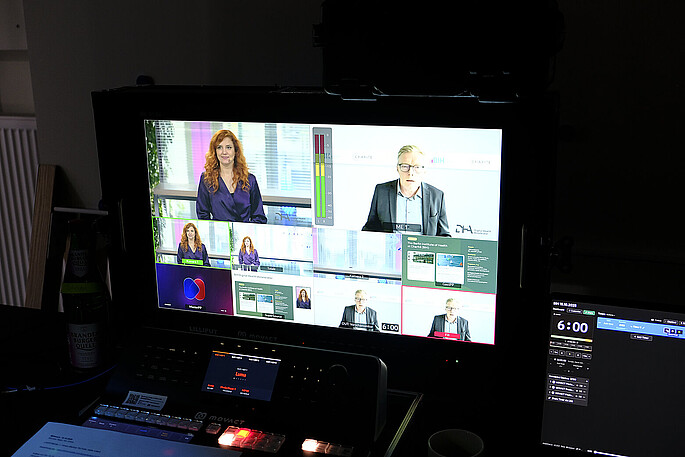
© DHA


