Medical research in the spotlight: The Long Night of Science 2026

Whether through laboratory tours, workshops or science slams, visitors to the Long Night of Science were able to gain an insight into health data, biobanking, single-cell research, stem cells and the health of cows in the barn. At the Charité – Universitätsmedizin Berlin’s Mitte campus, the Buch campus and the Max Delbrück Center – Berlin Institute for Systems Biology (MDC-BIMSB), they were offered fascinating insights into the medical research conducted by the Berlin Institute of Health at Charité (BIH).

Discovering biobanking – small samples, big impact
What actually happens to donated biological samples? Blood, tissue and DNA samples are invaluable for medical progress. The team from the Central Biobank Charité (ZeBanC) showed visitors of all ages how such biological samples are collected, processed and stored. Participants were able to try their hand at the lab bench, using pipettes and tweezers to see for themselves how small samples can lead to major advances in healthcare.

Testing anonymisation programmes
Talking to a psychotherapist without revealing your identity? Visitors to our Health Data Privacy research group’s stand were able to try this out. Together with colleagues from the German Research Center for Artificial Intelligence (DFKI), Fraunhofer AISEC, the Quality and Usability Lab at the Technische Universität Berlin and the Institute for Sexology and Sexual Medicine at Charité, they presented research on data anonymisation and the VERANDA project. Visitors were able to see programmes that allow people to have anonymised video, audio and text conversations with therapists, for example by appearing as a virtual avatar during video calls.

Clinical data for the healthcare of tomorrow
How can data science and AI drive medical progress? The Medical Informatics research group and the Core Unit Research IT presented the Medical Data Integration Center (MeDIC) of the BIH and Charité. The researchers demonstrated how data-driven science works and presented technical solutions for ensuring data protection and quality without compromising on transparency and traceability.

MuKoLa – the smart barn
How can we promote animal welfare in the barn? Many cows suffer from hoof diseases, which are sometimes overlooked. Researchers from the Julius Wolff Institute presented video-based software that can detect abnormalities in animals by analysing their back posture and other sensor data. This allows them to be helped more quickly. And since the back provides insights into health not only in animals, visitors were also able to take a look at the current Berlin Spine Study.

Science Slam: Science straight to the point
10 minutes of science – once again this year, researchers from Charité and the BIH really hit their stride at the Science Slam. Luke Flanagan, a PhD student in the Health Data Privacy group, spoke about how data protection measures can be used at the interface between patients, doctors and researchers to improve healthcare and protect patients’ data.
Single-cell approaches for personalised medicine
Visitors aged 14 and over were able to immerse themselves in the world of single-cell research at the MDC-BIMSB. Colleagues from the Stem Cell Dynamics & Mitochondrial Genomics, Systems Hematology, Stem Cells & Precision Medicine, and Genome Instability and Somatic Mosaicism (MDC) research groups guided participants through the laboratories and showed them, including a robot demonstration, how researchers examine individual cells to understand the genetic and molecular changes that keep us healthy – or don’t.

Proteins: More than just food for bodybuilders
At the Buch Campus, colleagues from the Core Unit Proteomics introduced visitors to the world of proteins. At three different stations, they demonstrated how these tiny building blocks can help us better understand disease mechanisms, develop new treatment methods, and help shape the medicine of the future through protein research.

A journey into the world of stem cells
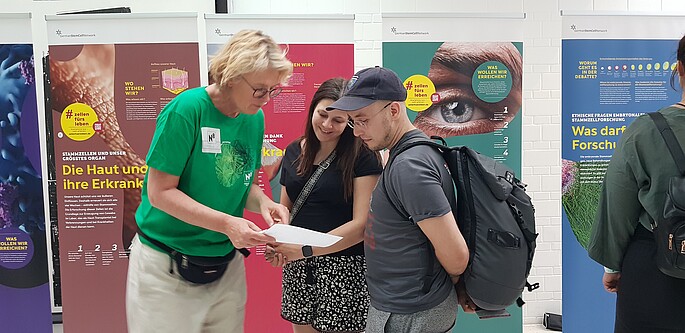
Together with the German Stem Cell Network (GSCN), we organised a stamp station at the Buch Campus for the ‘Little Research Diploma’ for children interested in research. Guests could learn about stem cell research through an interactive poster exhibition and discover the latest developments and areas of research. Our stem cell quiz helped spark conversations between patients and stem cell donors.
Once again, this year’s Festival of Science was a great success. We would like to thank all our colleagues, teams and organisers for their tireless efforts, and all our inquisitive guests for their interest. See you next year!
Impressions
© BIH | Patricia Ebel 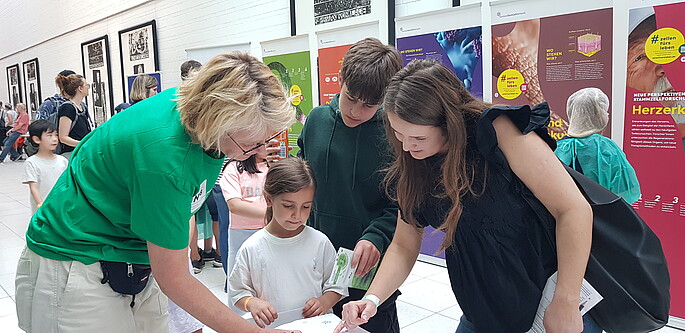
© BIH | Patricia Ebel 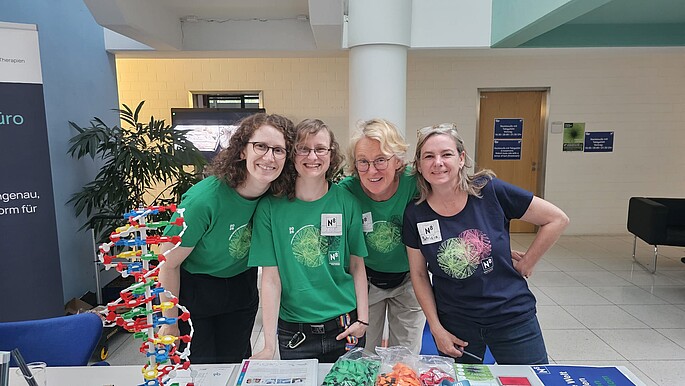
© BIH | Patricia Ebel 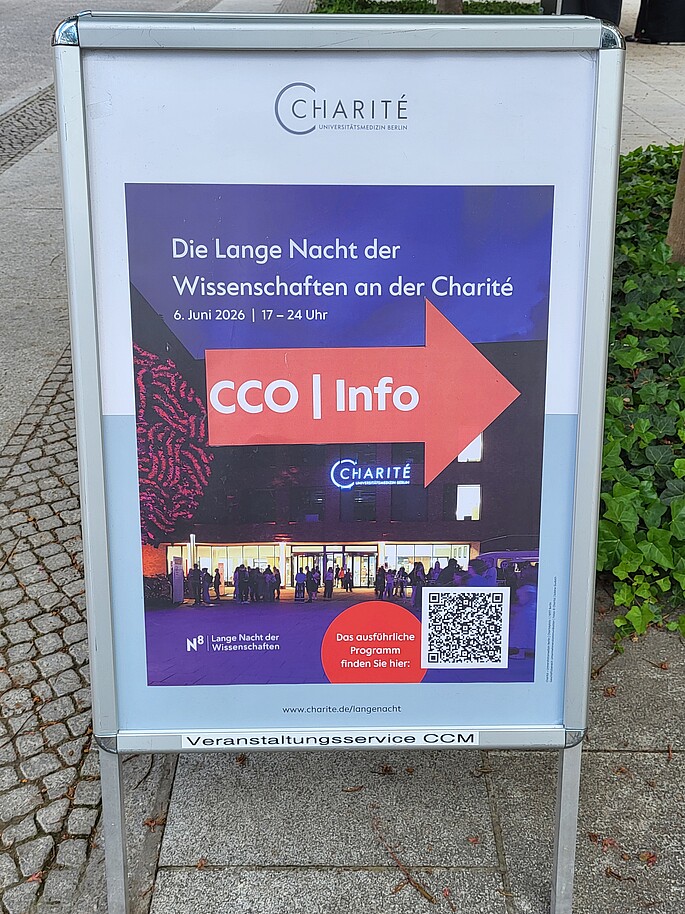
© BIH | Dr. Sophie G. Elschner 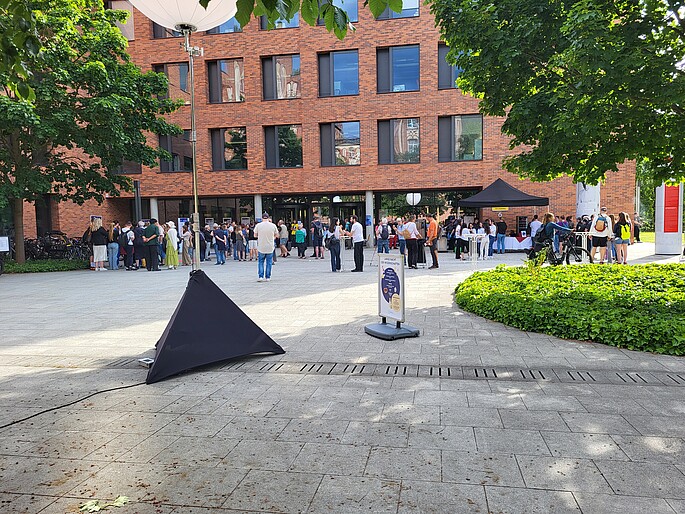
© BIH | Dr. Sophie G. Elschner 
© BIH | Dr. Sophie G. Elschner 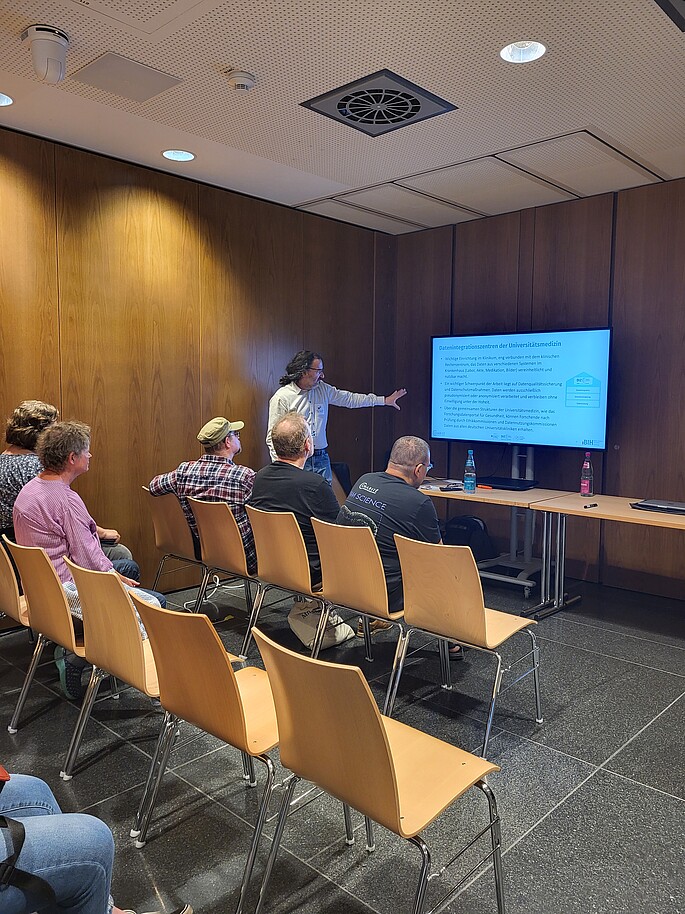
© BIH | Dr. Sophie G. Elschner 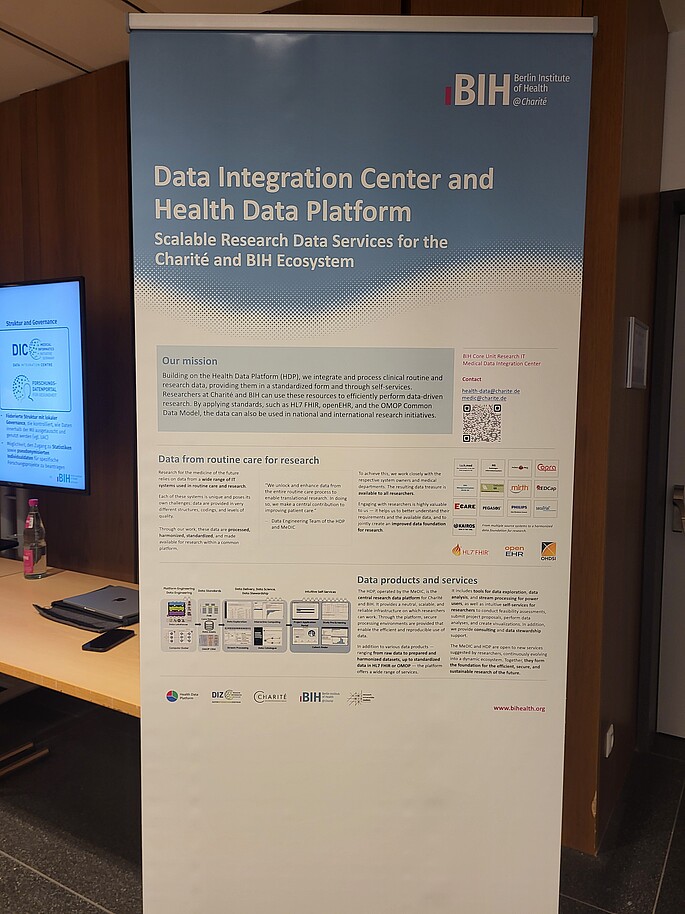
© BIH | Dr. Sophie G. Elschner 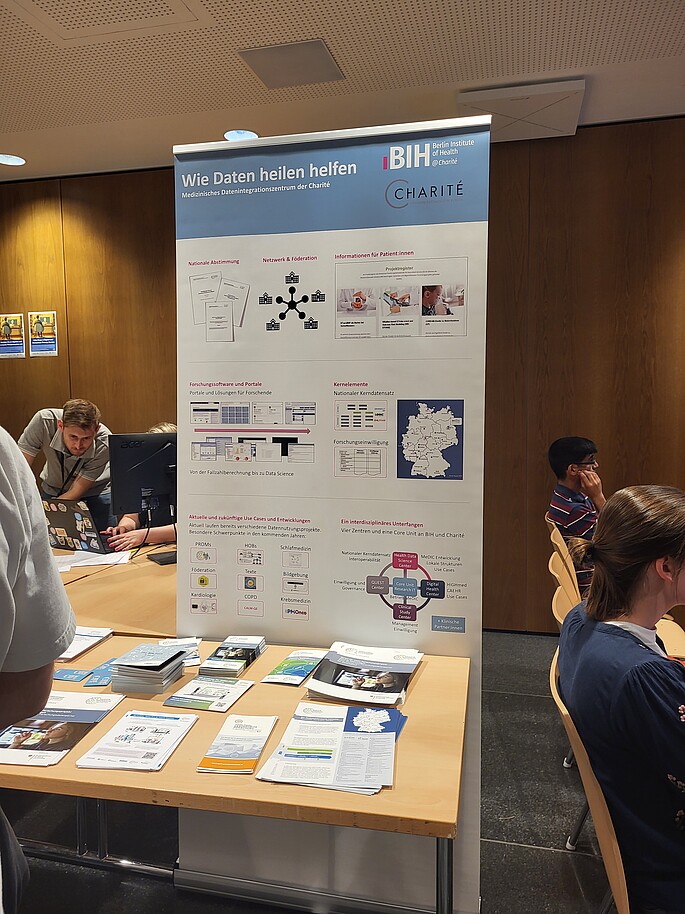
© BIH | Dr. Sophie G. Elschner 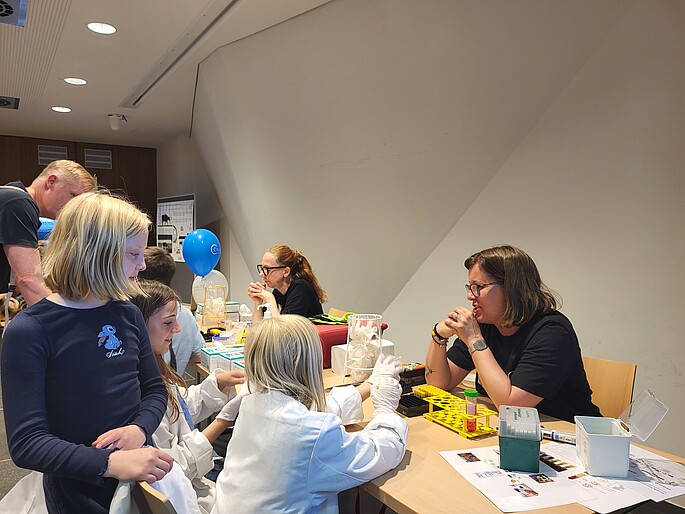
© BIH | Dr. Sophie G. Elschner 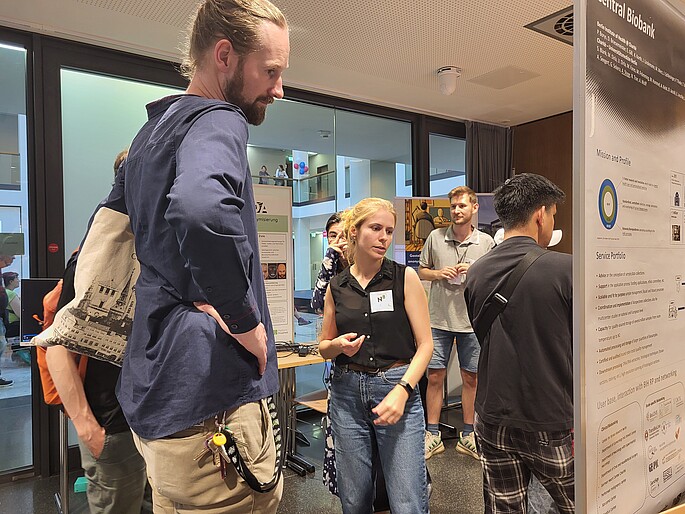
© BIH | Dr. Sophie G. Elschner 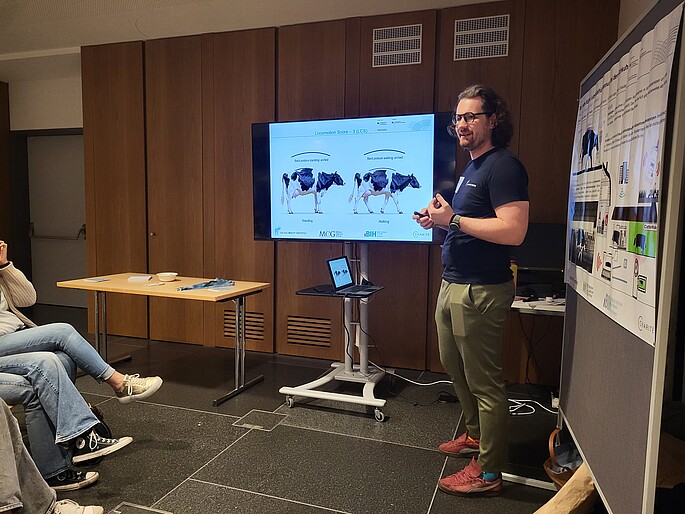
© BIH | Dr. Sophie G. Elschner 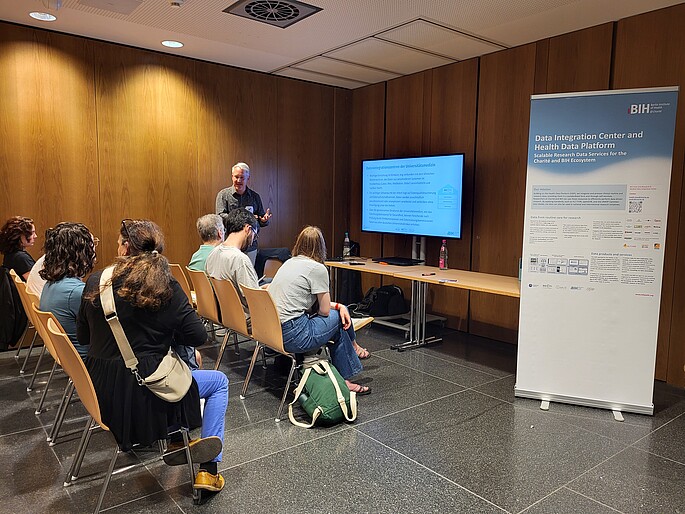
© BIH | Dr. Sophie G. Elschner 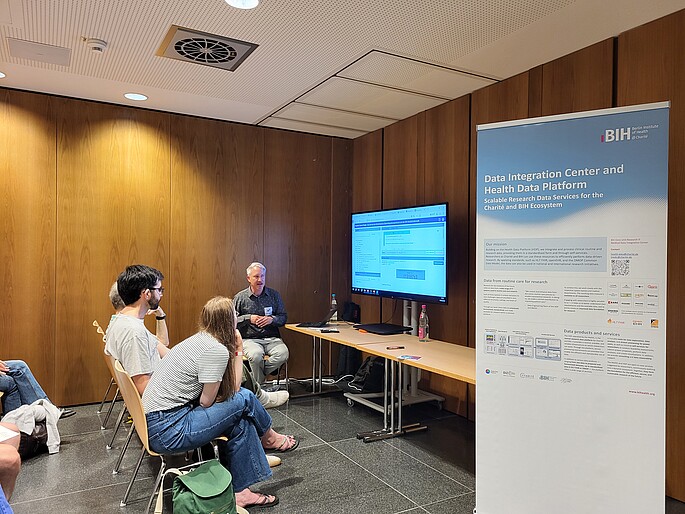
© BIH | Dr. Sophie G. Elschner 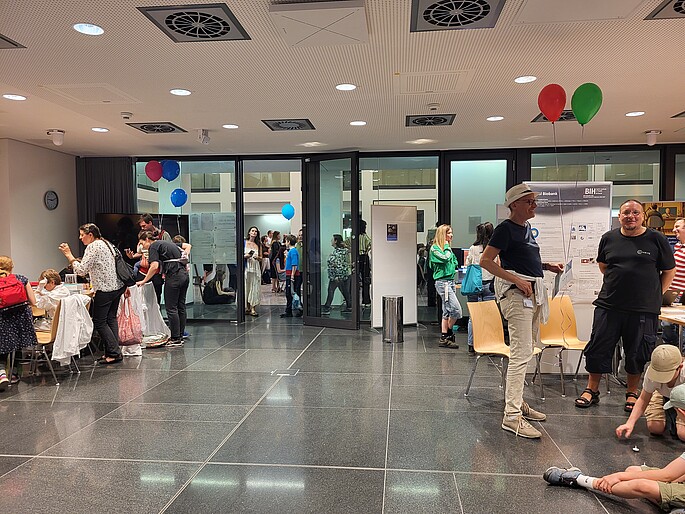
© BIH | Dr. Sophie G. Elschner


