Steering Committee
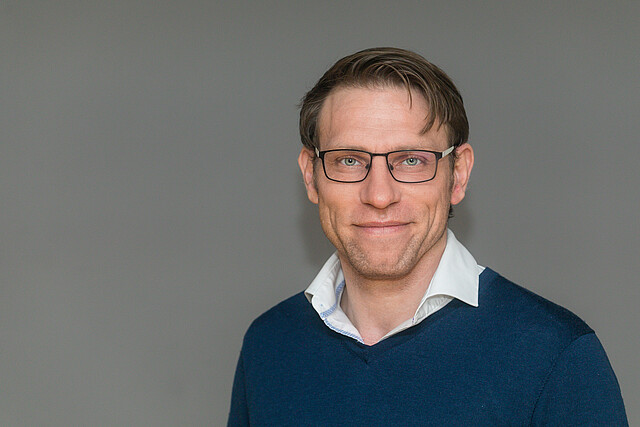
Our steering group consists of seven voting members who were elected from the BCRT working group leaders for the period 2026 to 2027. The BCRT spokespersons are Georg Duda and Ludovic Vallier as joint leaders.
Georg Duda heads the clinical research area ‘Musculoskeletal System’ at the BCRT, is director of the Julius Wolff Institute – Centre for Musculoskeletal Biomechanics and Regeneration – and co-head of the APT section of the BIH. Within the BCRT spokesperson team, he focuses on optimising administrative aspects in the field of novel and regenerative therapies at the BIH and on establishing a clinical incubator structure for novel therapies at the BIH.
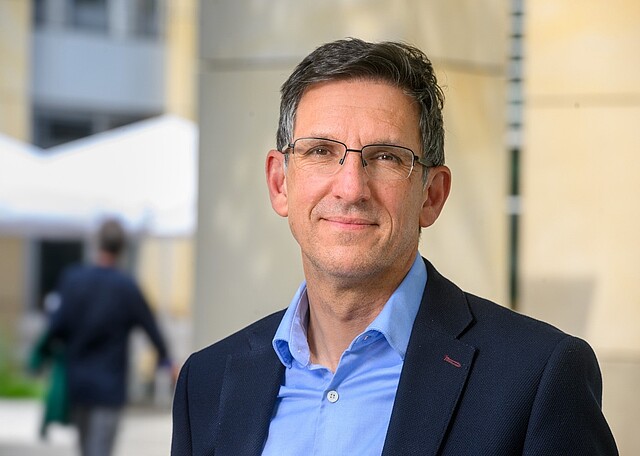
Ludovic Vallier heads the clinical research area ‘Hepatology’ at the BCRT and is a Max Planck Fellow at the MPI for Molecular Genetics. Within the BCRT spokesperson team, he focuses on coordinating and further expanding external collaboration at the national and international level.
The elected employee representative of the BCRT and the BCRT doctoral student representatives are also part of the steering group and are invited to participate in all meetings and discussions of the committee in an advisory capacity.
The steering group currently consists of:
Akkordeon
-
Prof. Dr. Georg N. Duda
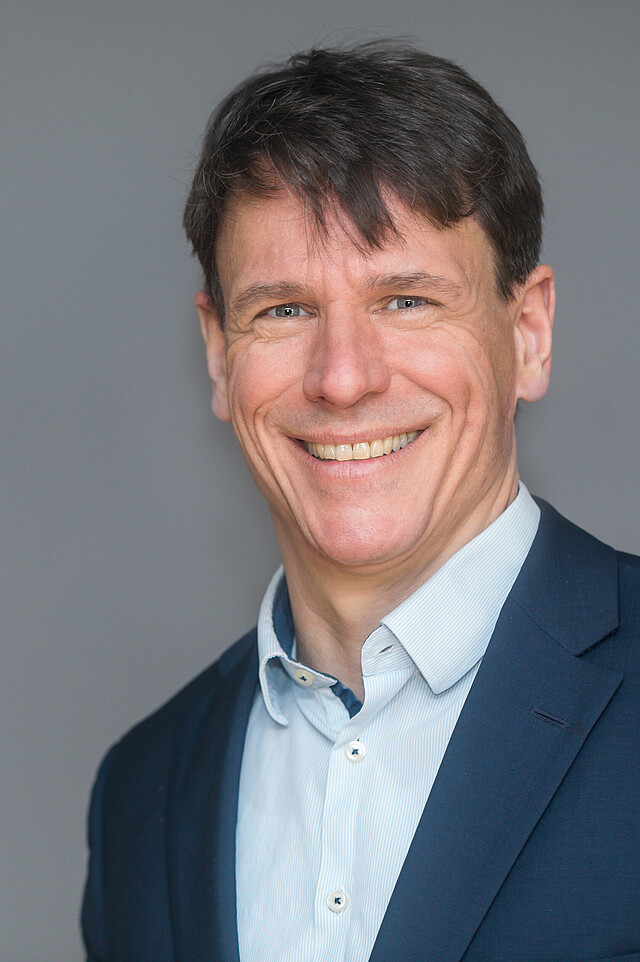
Georg Duda is an engineer and one of the three founding directors of the BCRT. Since 2008, he has been Director of the Julius Wolff Institute for Biomechanics and Musculoskeletal Regeneration at Charité - Universitätsmedizin Berlin.
The research interest of Prof. Dr.-Ing. Georg Duda is the interaction between biology and mechanics. The doctor of biomechanics is primarily concerned with the musculoskeletal system and the interaction of bones and muscles. He is particularly interested in the biomechanical influences and their effects on an intact and injured musculoskeletal system (e.g. joint and bone loads).
Prof. Duda’s focus is, among other things, on the interaction (correlation) between physical and mechanical conditions and biological regeneration in the musculoskeletal system. Using examples from bone and cartilage healing, he was able to successfully demonstrate the importance of the biomechanical condition of cells and tissue during the healing phase of the musculoskeletal system. Understanding the mechanobiological interaction lead to redesigning implants and fundamental changes in fracture treatment.
This work is the basis for new approaches in regenerative medicine. The research aims to understand the body's own regeneration processes and, if necessary, to stimulate them. Thereby supporting the natural healing process of the musculoskeletal system. The fundamental understanding of mechanical stimulation helps with understanding as well as ability to manage endogenous regeneration. It is clear that especially the early phase of bone healing is influenced by mechanical factors, among other things. This offers novel approaches for regenerative medicine.
Georg Duda studied biomedical engineering at the Technical University of Berlin and received his doctorate in biomechanics from the Technical University of Hamburg-Harburg in 1996. After his visiting research role at the Mayo Clinic and Johns Hopkins University, he became head of the research department of the Centre for Musculoskeletal Surgery (CMSC) at Charité in 1997. He is director of the Julius Wolff Institute for Biomechanics and Musculoskeletal Regeneration at Charité and has been a faculty member of the Wyss Institute at Harvard University since 2016. In 2020, Professor Duda accepted the call to become the BIH Chair of Engineering for Regenerative Therapies and was elected to the Senate of the German Research Foundation (DFG). Since 2021, he has been the spokesperson for the BIH Centre for Regenerative Therapies (BCRT).
-
Prof. Dr. Julia Polansky
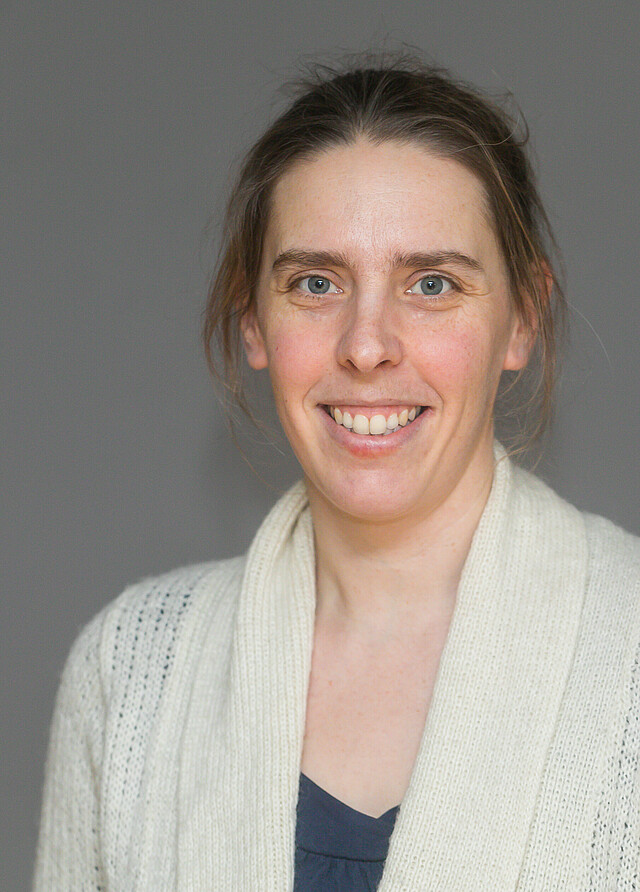
Julia Polansky-Biskup leads a research group at the BCRT as well as at the Leibniz Institute 'German Rheumatism Research Center (DRFZ)'. She was appointed professor for 'Translational Molecular T Cell Immunology' at Charité in June 2019. Her group focuses on clairifying the epigenetic mechanisms that contribute to the differentiation, ageing and function of immune cells. This knowledge facilitates the definition of cell type-specific epigenetic regulatory elements that can serve as diagnostic biomarkers and at the same time represent promising targets for precise epigenetic editing methods.
Julia Polansky-Biskup did her doctorate at Humboldt-Universität Berlin and was already working on the epigenetic regulation of regulatory T cells. Since then, she has worked at several academic research institutions, including the Helmholtz Centre for Infection Research in Braunschweig and the Dana-Farber Cancer Institute at Harvard Medical School in Boston, USA. She has received several prestigious grants and awards, including an ERC starting grant in 2018.
-
Prof. Dr. Daniel Ibrahim
-
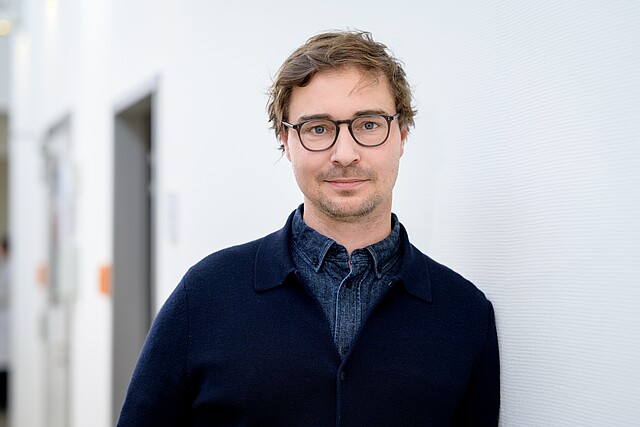
Dr. Michael Schmück-Henneresse
-
Prof. Dr. Ludovic Vallier
© BIH/David Ausserhofer -
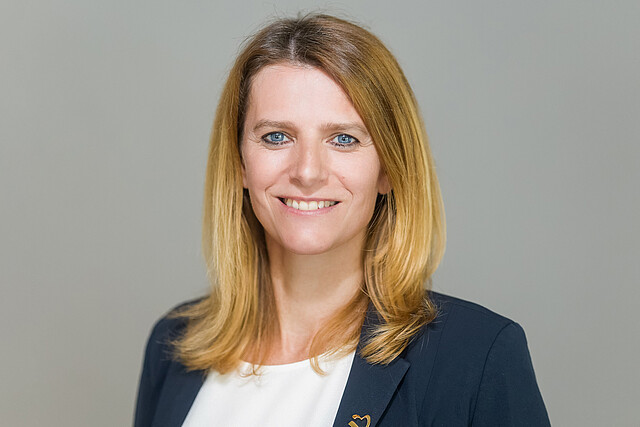
Prof. Dr. Sophie Van Linthout
© BIH/Thomas Rafalzyk -
Prof. Dr. Sven Geißler